
Picking out cookware high end pieces can feel like a big step. Many people worry about making the wrong choice or spending too much money on something that doesn’t work well. It might seem a bit confusing at first, but it doesn’t have to be!
This guide will break it down so you can feel confident. We’ll show you exactly what to look for and how to make smart decisions for your kitchen.
What Makes Cookware High End
Materials Matter Greatly
When we talk about cookware high end, the materials used are super important. They affect how well your pans heat up, how evenly they cook, and how long they last. Different materials are great for different things.
Stainless Steel
Stainless steel is a favorite for good reason. It’s strong, doesn’t react with food, and is easy to clean. Many high-end stainless steel pans have a core of aluminum or copper.
This core helps heat spread out quickly and evenly. This means no hot spots where food might burn. It’s good for searing, sautéing, and making sauces.
Look for pans that feel heavy; they usually have a thicker base.
Cast Iron
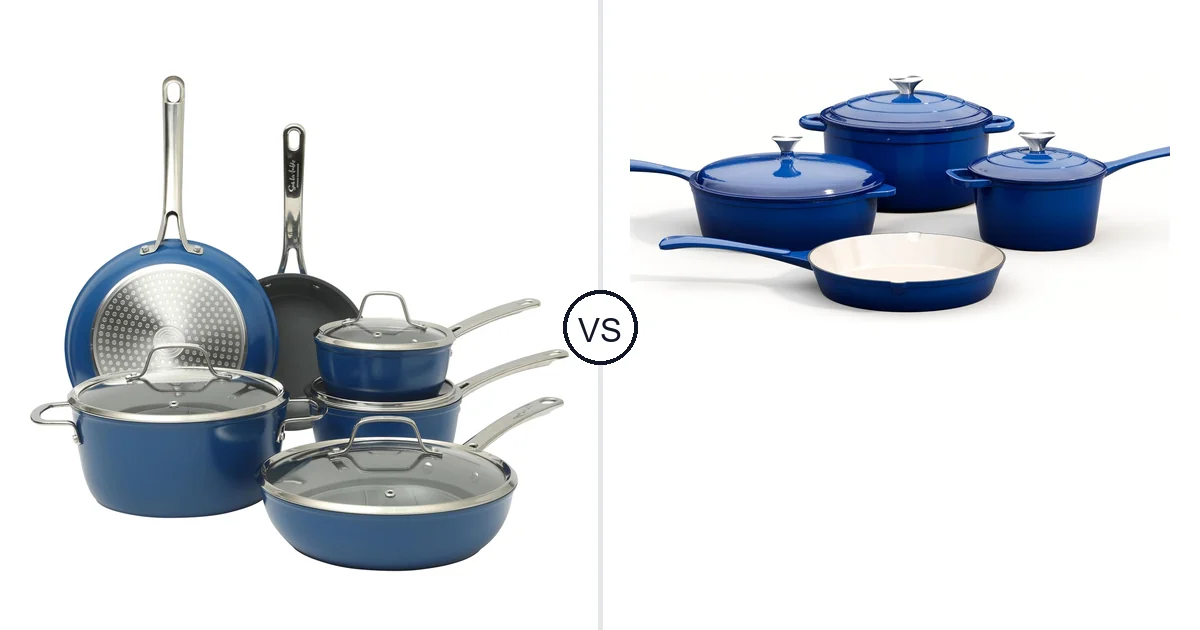
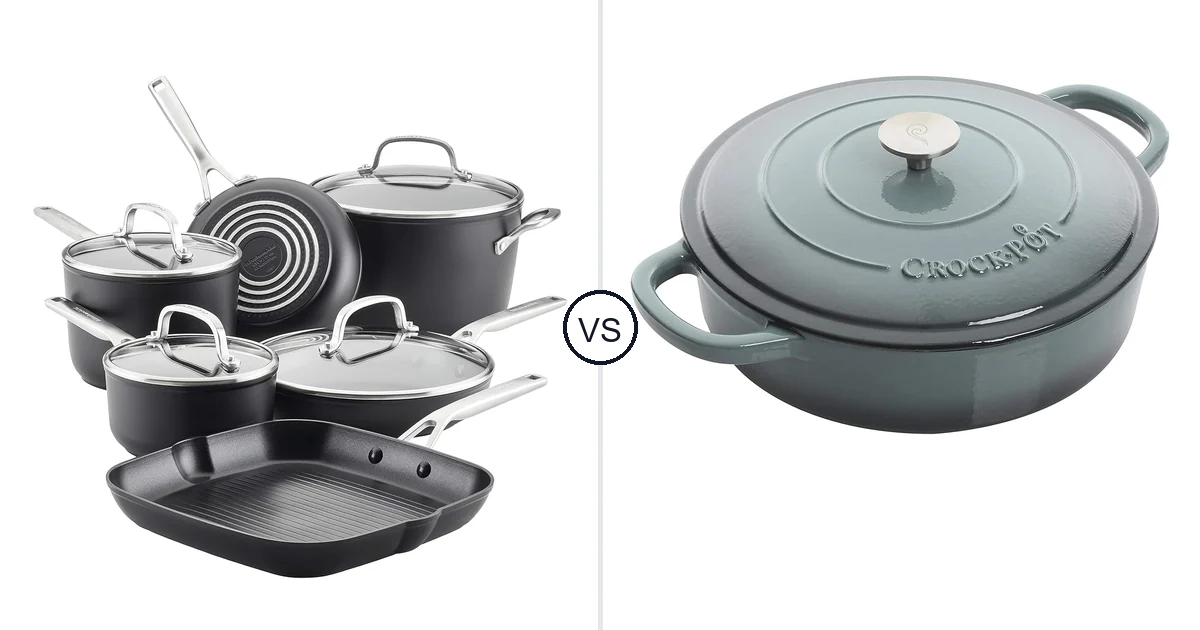
Cast iron cookware is legendary. It holds heat incredibly well and gets better with age. It’s perfect for getting a really good sear on meats and cooking things slowly at low temperatures.
While it needs a bit more care, like seasoning, cast iron pans can last a lifetime. They are also great for going from the stovetop right into the oven. Its even heating is a big plus.
Copper
Copper is known for its beauty and amazing heat control. It heats up and cools down very fast. This makes it ideal for delicate cooking, like making sauces where you need to adjust the heat quickly.
Copper pans often have a stainless steel interior so the food doesn’t react with the copper. They are usually quite expensive but offer unparalleled performance for chefs who want precise control.
Nonstick Surfaces
While not always considered “high end” in the same way as copper, quality nonstick cookware has its place. Modern high-end nonstick pans use durable coatings that are PFOA-free and can withstand higher temperatures. They are fantastic for cooking eggs, fish, and other foods that tend to stick.
They are also very easy to clean, making meal prep and cleanup a breeze. Just remember that nonstick surfaces can be scratched, so using the right utensils is key.
Construction and Design Details
Weight and Balance
Good cookware high end should feel substantial, not flimsy. When you pick up a good pan, it should feel balanced. This means the weight is distributed evenly.
A well-balanced pan is easier to lift and pour from, even when it’s full. Heavy bottoms also help prevent warping and ensure even heating. It’s a sign of quality craftsmanship.
Handle Comfort and Attachment
The handles on your pots and pans are really important for comfort and safety. High-end cookware often features handles that are ergonomically designed to fit well in your hand. They should stay cool on the stovetop, especially if they are made of stainless steel or have a good heat-resistant material.
Look for handles that are securely attached to the pan, usually with rivets. This attachment method is strong and durable. A loose handle is a big problem.
Lid Fit
A well-fitting lid is essential for many cooking tasks. It helps trap steam and heat, which is important for braising, simmering, and boiling. A lid that seals tightly will cook food more efficiently.
Some high-end lids are designed to be oven-safe or have features like self-basting bumps on the underside. A snug fit makes a big difference in cooking performance.
Performance Features
Even Heat Distribution
This is perhaps the most critical aspect of high-end cookware. Even heat distribution means your food cooks uniformly. No more burnt edges and raw centers.
Pans with layered metals, like stainless steel with aluminum or copper cores, excel at this. Cast iron also offers excellent heat retention, which contributes to even cooking once it’s up to temperature.
Heat Retention
Some cooking methods require cookware that can hold onto heat. Cast iron and heavier stainless steel pans are excellent for this. This is especially useful when searing meats, as the pan’s temperature won’t drop drastically when you add food.
It allows for a consistent, beautiful crust.
Durability and Longevity
Investing in cookware high end means you’re buying pieces that are built to last. High-quality materials and construction mean your pots and pans can withstand daily use for many years, even decades. This makes them a wise long-term investment for any kitchen.
They are designed to be durable and resist wear and tear.
Brand Reputation and Reviews
Trusted Brands
Certain brands have built a strong reputation over time for producing excellent cookware. These brands often invest heavily in research and development to create the best possible products. While brand names can sometimes come with a higher price tag, they often represent quality and reliability.
Doing a little research on popular, well-regarded brands is a good idea.
Reading Reviews
Customer reviews can offer real-world insights into how cookware performs. Look for reviews that discuss specific aspects like how evenly the pan heats, how easy it is to clean, and how durable it has been over time. Pay attention to patterns in reviews; if many people are saying the same thing, it’s likely true.
This helps you avoid common pitfalls.
Types of High End Cookware Sets
When you’re ready to buy, you’ll see a lot of options. Sets can be a great way to start, but sometimes buying individual pieces makes more sense for your cooking style. High-end sets are an investment.
Full Cookware Sets
These typically include a range of pots and pans, like saucepans, frying pans, and stockpots. They offer a cohesive look and ensure you have the basics covered. Buying a set can sometimes be more cost-effective than purchasing each piece separately.
However, make sure you will actually use all the pieces in the set. Sometimes, a few pieces are perfect, and others are less useful for your needs.
Piece-by-Piece Selection
Many cooks prefer to build their collection over time. This allows you to choose exactly what you need. You can focus on the absolute best pieces for your most frequent tasks.
For example, you might invest in a top-quality sauté pan and a great stockpot first. This approach lets you try different brands and materials to see what works best for you. It’s a more personal way to build your kitchen tools.
Caring for Your High End Cookware
Cleaning Best Practices
Proper cleaning will keep your cookware high end looking and performing its best. Always let your cookware cool down before washing. Using a non-abrasive sponge and mild dish soap is usually best.
For stainless steel, if you see discoloration or stuck-on food, a paste of baking soda and water can work wonders. Never use steel wool or harsh scrubbers on most high-end cookware, as this can damage the surface.
Storage Tips
When storing your cookware, try to avoid stacking pans directly on top of each other, especially if they have nonstick surfaces. Using pan protectors or placing a soft cloth between layers can prevent scratches. Hang pots and pans if you have the space; this is also a beautiful way to display quality kitchenware and keeps them easily accessible.
Maintenance for Longevity
Some materials require specific maintenance. For cast iron, regular seasoning is key to preventing rust and creating a natural nonstick surface. For copper, you might want to polish the exterior occasionally to keep it looking shiny and beautiful.
Always follow the manufacturer’s specific care instructions for your particular pieces.
Frequently Asked Questions
What is the best material for high end cookware for everyday use
Stainless steel with an aluminum or copper core is often considered the best for everyday use. It’s durable, heats evenly, and is easy to maintain.
How do I know if cookware is truly high end
Look for quality materials like thick stainless steel, cast iron, or copper. Check for solid construction, comfortable, securely attached handles, and a good weight and balance. Brands with a long-standing reputation for quality also indicate high end.
Is it worth investing in expensive cookware
Yes, if you cook often. High end cookware lasts much longer, performs better, and makes cooking more enjoyable. It’s an investment that pays off in durability and cooking results.
How do I clean burnt food off my stainless steel pans
Try simmering water in the pan for a few minutes to loosen the burnt bits. For tougher spots, use a paste of baking soda and water, let it sit, and then gently scrub. Avoid harsh abrasives.
Can I use metal utensils with high end cookware
Generally, you can use metal utensils with good quality stainless steel and cast iron. However, it’s best to avoid metal on nonstick surfaces or delicate finishes to prevent scratching.
Final Thoughts
Choosing cookware high end is about finding tools that work well and last. Focus on good materials like stainless steel or cast iron. Check for solid construction and comfortable handles.
Proper care will keep your pans performing for years. You can build a great collection piece by piece or find a set that fits your needs. Enjoy cooking with quality tools!

Leave a Reply